Last updated: February 2026
Here's a question that changed how I think about parenting: what if we thought about entrepreneurship the same way we think about ballet, sports, and other after-school activities?
We don't hesitate to sign our kids up for soccer at age five or piano lessons at age six. We understand that these activities build discipline, teamwork, and confidence, even if our kids never go pro. But for some reason, most parents never consider giving their child the same kind of early start in business.
There's no minimum age to start a business. And the goal isn't necessarily to make money. It's to gain life experience, learn real-world skills, and have fun doing it. The money and the tax benefits are a bonus.
This is one of three core strategies in the Wealthy Kid Framework for building generational wealth.
Why This Matters Beyond the Money
Starting a business teaches kids skills that school doesn't cover: problem solving, time management, customer service, basic accounting, marketing, and handling failure. These are the skills that matter most in adulthood, and they're best learned by doing.
There's also a financial angle that's hard to ignore. Earned income from a business qualifies your child to contribute to a Roth IRA. At $7,500 per year in 2026, starting at age 8 or 10, the compound growth over a lifetime is staggering. The business itself might be small, but the financial foundation it creates is anything but.
Real Examples: What This Looks Like in Practice
Dylan's Gem Shop (Etsy Store)
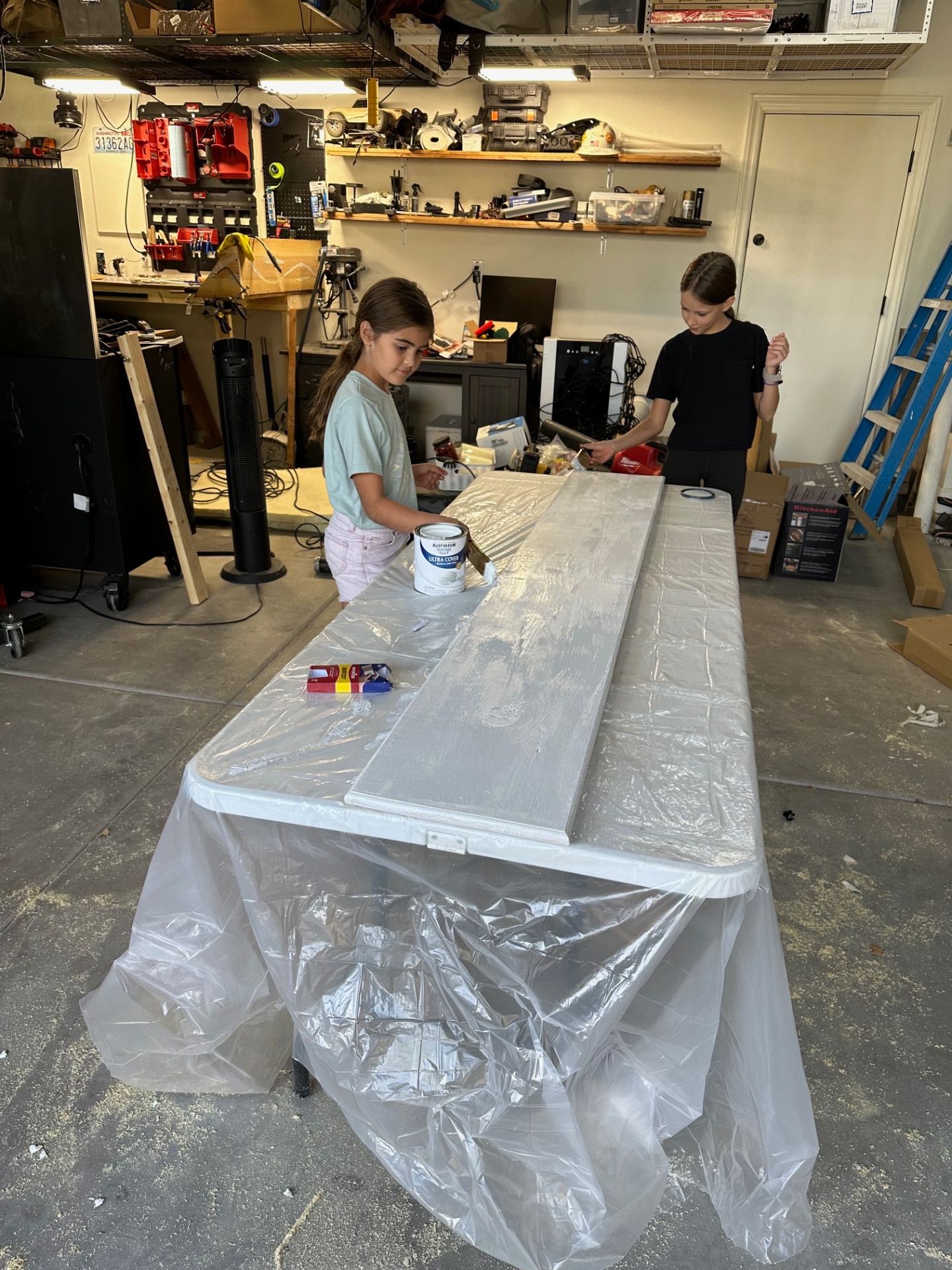
My daughter Dylan started making bracelets for her friends and teachers. We helped her open an Etsy store. Her startup cost was $50 for supplies. Most products cost about $1 to make and sell for $8 to $19. Within three weeks, her store had 133 visits, 11 orders, an 8.3% conversion rate, and $281 in revenue. No ad spend. No marketing budget.
In those three weeks Dylan learned: product pricing, profit margins, inventory management, customer service, shipping logistics, and the basics of running an online store.
Dylan's Cocoa Stand

Before the Etsy store, Dylan ran a hot cocoa stand with a friend. They spent $27 on supplies. The first day they made $60. The second day they made $30. Afterward, we debriefed: offering delivery to neighbors was a hit, door knocking brought in more customers than sitting at the stand, and having a variety of flavors helped. They were thinking about marketing strategy and customer experience without even knowing those terms. Dylan was ten.
Business Ideas by Age Group
For more ideas on what kids can do at each age, see: 50+ Legitimate Tasks You Can Pay Your Kids (By Age).
Ages 6 to 9
- Pet sitting or dog walking (with a parent present)
- Handmade crafts sold at local markets or to family friends
- Yard work services: raking leaves, pulling weeds, watering plants for neighbors
- Helping with a parent's business
Ages 10 to 13
- Lawn mowing and yard maintenance
- Baking and selling treats at local events or farmers markets (check your state's cottage food laws)
- Tutoring younger kids in subjects they excel at
- Reselling items found at garage sales or thrift stores
- Car washing and detailing in the neighborhood
Ages 14 to 17
- Social media management for small local businesses
- Freelance graphic design, video editing, or content creation
- E-commerce using platforms like Etsy, eBay, or Shopify
- Tutoring or test prep for peers and younger students
- Photography for events, portraits, or real estate
- Web design for local businesses
The Legal and Financial Setup
Sole Proprietorship Is Usually Enough
For most kid businesses, a formal LLC or corporation isn't necessary. Your child can operate as a sole proprietor. In most states, minors can enter into business transactions with parental consent.
Get a Separate Bank Account
Your child needs a bank account to receive payments and track income. For younger kids (under 13), a custodial joint account with a parent is the workaround. Read our full guide on setting up a bank account for your child for the details.
Track Income Carefully
Every dollar your child earns needs to be documented, especially if they'll be contributing to a Roth IRA. Keep track of who paid them, how much, the date, and what service was provided. If your child earns income from their own business and from working in your business, both count as earned income for Roth IRA purposes.
Understand Tax Obligations
If your child's net self-employment income exceeds $400 in a year, they'll need to file a tax return and may owe self-employment tax (15.3%). However, income up to the standard deduction ($16,100 in 2026) is not subject to federal income tax. Use our Tax Savings Calculator to run your own numbers.
Your Role as the Parent-Mentor
Start with inspiration. Two resources that have worked well for our family: the book Kid Start-Up by Mark Cuban, Shaan Patel, and Ian McGue, and the Cashflow board game from Rich Dad.
Let them choose the business. If your child picks something they're genuinely interested in, they'll stick with it. Dylan chose bracelets and hot cocoa because those were things she was already excited about.
Only execute one thing at a time. Help them pick one business, launch it, learn from it, and then decide if they want to continue or try something new.
Help with the parts they can't do. Setting up a bank account, opening an Etsy store, filing taxes -- handle the infrastructure so they can focus on the work.
Let them fail. Not every product will sell. Not every client will be happy. These experiences teach resilience and problem-solving.
Connect their income to the bigger picture. Show them how their earnings fund a Roth IRA. Pull up the compound interest calculator together and show them what $5,000 today looks like in 50 years.
Remember: the goal is not to make money. It's to gain life experience and have fun. The money and tax advantages are a bonus.
The Connection to Your Business
Your child doesn't have to choose between working in your business and running their own. Many families do both. Your child works part-time in your business (documented through Kids Payroll) and runs a side hustle on their own time. Both generate earned income. Both teach different skills.
A child who earns $8,000 working in your real estate business and $4,000 from their own lawn care business has $12,000 in earned income. They can contribute the full $7,500 Roth IRA limit and still have money left over.
For more on hiring your child through your business, see: How to Pay Your Kids Through Your LLC.
Frequently Asked Questions
Does my child need a business license?
Requirements vary by city and state. Many small, informal businesses (lawn mowing, tutoring, babysitting) don't require a license. Check local regulations for more formal businesses.
Can my child accept credit card payments?
Yes. Platforms like Square, Venmo for Business, or PayPal allow minors to accept digital payments with parental consent. Having a digital payment option creates better income records.
What if the business doesn't make money?
Not every venture will be profitable, and that's okay. The learning experience has value even if the income is modest. From a tax and Roth IRA perspective, only actual earned income counts.
How is this different from paying my child through my business?
When your child works in your business, you pay them as an employer and claim the deduction. When your child runs their own business, they earn income directly from customers and report it as self-employment income. The tax treatment is different, but both create earned income for Roth IRA purposes.
Disclaimer: This article is for educational purposes only and does not constitute tax, legal, or financial advice. Consult a qualified professional for guidance specific to your situation.